


























We celebrate moms on Mother’s Day; Medicaid cuts undermine them the rest of the year

We celebrate mothers one Sunday a year. But last July 4, the federal government showed us what it actually thinks of them.
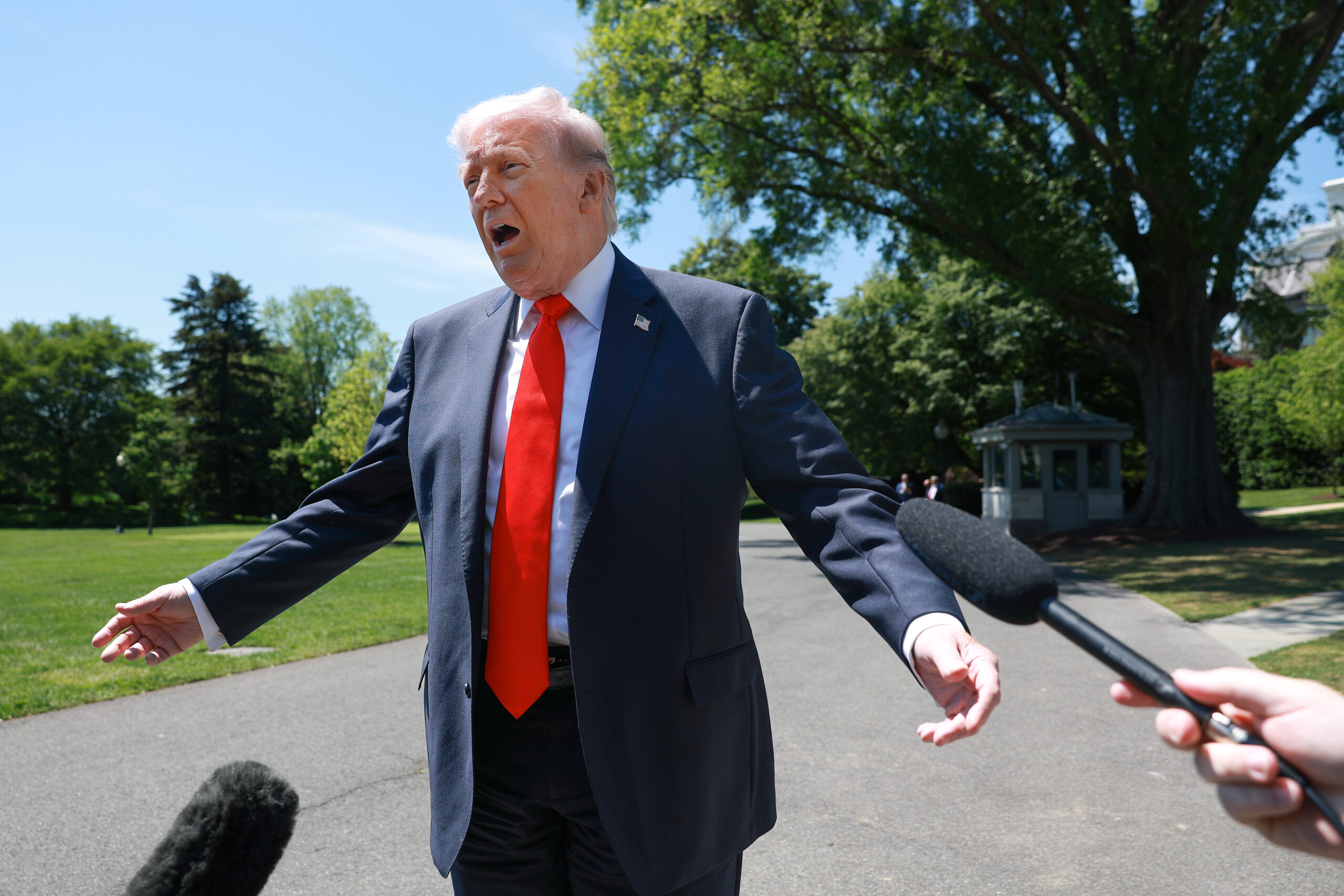
That was the day President Donald Trump signed the One Big Beautiful Bill Act into law. It is expected to cut roughly $1 trillion from Medicaid over the next decade, which would make it the largest rollback of federal healthcare in American history.
In August 2025, the nonpartisan Congressional Budget Office estimated that the bill would raise the number of uninsured people by 10 million by 2034, including 7.5 million on Medicaid or the Children's Health Insurance Program, known as CHIP. Up to 17 million will lose health coverage when you factor in the simultaneous expiration of Affordable Care Act marketplace subsidies. Millions of those people are mothers.
Medicaid is, at its core, a program for mothers and the people who depend on them. It is the largest single insurer of pregnant people and newborns in the country, covering 40% of all births in Illinois in 2023, according to the Kaiser Family Foundation. It funds prenatal care, postpartum visits that catch the complications that kill women in the weeks after delivery, mental health services for the 1 in 8 mothers who experience perinatal depression and home visiting programs that support first-time moms through those terrifying early months.
Pregnant women are technically "protected" from the administration's changes to Medicaid, but in March the Journal of Obstetric, Gynecologic and Neonatal Nursing reported that, despite exemptions for pregnant women, "systemwide coverage losses and structural changes in Medicaid financing are expected to increase the numbers of uninsured individuals; increase administrative burdens for states, providers, and families; increase financial strain on health care organizations; and reduce access to care."
The report also said: "These effects will vary across states and compound long-standing challenges in perinatal health, including persistent racial and geographic inequities, widespread closure of obstetric units, and lagging maternal and infant outcomes."
When a mother loses Medicaid, she doesn't just lose an insurance card. She loses the doctor she finally trusted. She skips the postpartum appointment because she can't pay out of pocket. She manages, because mothers always manage, right up until they can't.
At EverThrive Illinois, we work alongside pregnant people and new mothers across Illinois to make sure they have the care they need before, during and after pregnancy. We know that uninsured pregnant women receive far less prenatal care, and that uninsured newborns face higher rates of preterm birth, low birth weight and death. The mothers at greatest risk are Black and Brown mothers, Indigenous mothers, mothers in rural communities and mothers in low-wage jobs without employer coverage — the very women Medicaid was designed to protect.
Disappearing labor and delivery wards
There is a quieter crisis running alongside the coverage losses, and it was already devastating mothers before the One Big Beautiful Bill made it worse: The places where women give birth are disappearing. Hospitals are closing their labor and delivery wards because obstetric units are expensive — specialized staff, equipment, around-the-clock coverage — and reimbursement rates rarely cover the actual cost of care. According to Becker’s Hospital Review, five rural labor and delivery units have closed in Illinois since 2020. It also reports that there are 59 rural hospitals with no labor or delivery services, and the median drive time to hospitals with those services is 32 minutes.
These are maternity care deserts. A mother living in one drives 30, 50 or 90 minutes in labor, praying nothing goes wrong. She misses prenatal appointments because she can't take more time off work. She delivers in a car, or an emergency room not equipped for obstetrics. The distance itself is the danger, and Trump's legislation will make those deserts larger. As millions of mothers lose coverage and hospitals absorb more uncompensated care, the delivery wards that were barely staying open will close. One analysis found the cuts put nearly 150 rural hospitals with maternity services at risk of downsizing or shuttering entirely.
Poll after poll, across party lines, show that Americans oppose Medicaid cuts. They know what Medicaid is: the nurse at the rural clinic, the prenatal vitamin prescription, the hospital that stays open in their small town. Cutting $1 trillion from that system to fund tax breaks for the nation's wealthiest is a choice, one that says, plainly, that the comfort of the richest Americans is worth more than the health and lives of mothers.
This Mother's Day, let's be honest about what it would actually mean to honor the mothers in our lives: not with flowers or brunch, but with the care, coverage and dignity they deserve every day of the year.
The delivery wards are closing. The coverage is gone. Illinois mothers are still here, still holding everything together. They deserve so much better than this.
Chinyere “Chi Chi” Okwu is executive director of EverThrive Illinois.
What's Your Reaction?
 Like
0
Like
0
 Dislike
0
Dislike
0
 Love
0
Love
0
 Funny
0
Funny
0
 Angry
0
Angry
0
 Sad
0
Sad
0
 Wow
0
Wow
0


