







































Across continents, Illinois families remain separated by Trump's immigrant visa halt

Like a lot of couples, music professor Mark Tonelli and his wife Luciana fell in love online. He was in the United States. She was in Brazil. After lots of trips back and forth and video calls that would last hours, they eventually got married in 2024. About a week after the wedding, Tonelli filed the petition to sponsor Luciana and his stepson for an immigrant visa.
He thought their case had reached a major milestone more than a year later, when they received an email with the notification they qualified for their final interview, the last step. Instead, that same day, the State Department halted immigrant visas for families like theirs.
“I woke up to my wife saying … the State Department might be freezing or banning or pausing visas for 75 countries, including Brazil,” Tonelli says. He checked online groups of people with similar immigration cases. “People were frantic, nervous, of course, scared.”
Tonelli’s family is among those affected by the Trump administration’s Jan. 21 pause on immigrant visas for nationals from 75 countries the administration calls “high-risk.” The list includes 26 countries in Africa, as well as Brazil, Haiti, Afghanistan, Iraq, Pakistan and Cuba, among others. The visa pause affects every category of immigrant visas, including those that allow U.S. citizens to legally bring a spouse, fiancé, child and other family members to the United States. Immigrant rights advocates estimate at least 300,000 people in Illinois are affected. For families trying to reunite through legal immigration pathways, the result has been a confusing limbo that is not only stressful but can also cost them thousands of dollars.
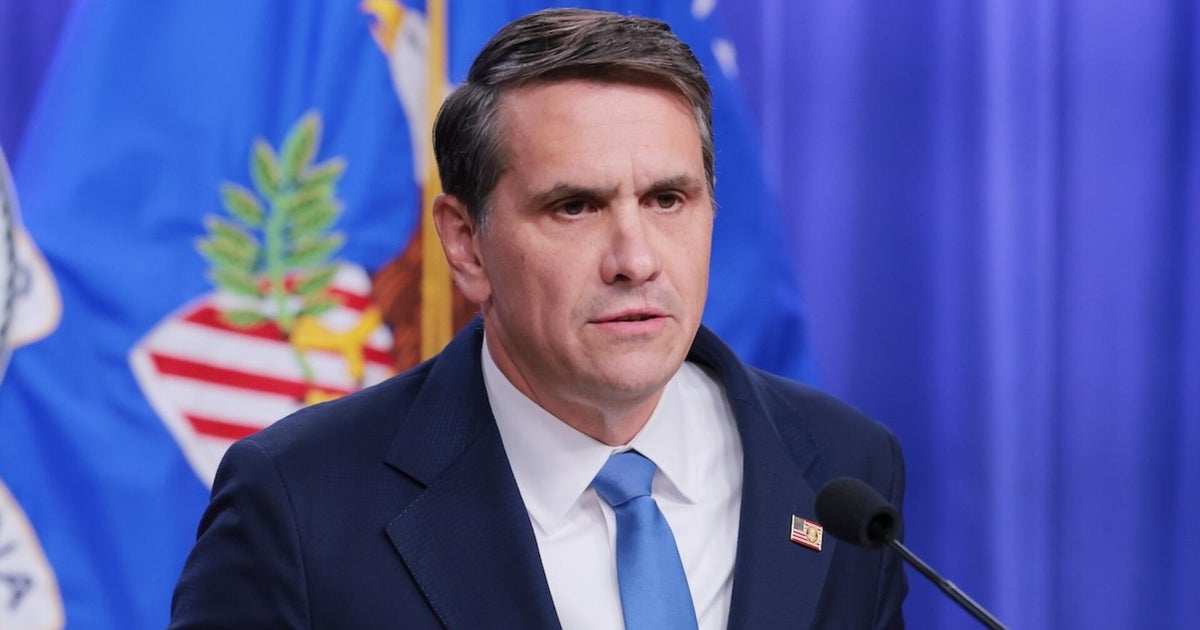
President Donald Trump’s administration says it’s reviewing the vetting process for immigrant visas and the pause is meant to ensure that immigrants do not become reliant on government assistance.
But, like most people applying for family-based visas Mark Tonelli had to submit a sworn statement and paperwork to prove he could financially support his family. “I’ve [already] been financially approved as a sponsor for my wife and stepson,” he says.
Nicole Hallett, a professor at the University of Chicago Law School and the director of the Immigrants’ Rights Clinic, says she believes the policy is designed to discourage people from immigrating legally. “I think it's exactly what the administration wants,” she says. “They want people to decide not to come.”
Hallett says the visa pause should not be viewed in isolation, but as part of a wider set of actions aimed at narrowing legal pathways into the country. “What the administration is doing now is the opposite, which is illegalizing lawful immigrants,” she says.

As families wait, the financial costs grow
Mark Tonelli says he knows other families who have completed their visa interviews abroad and been informed their cases were approved, but that no visa would be coming.
“They are told by the consular officer that no visa will be issued until the ban is lifted, which essentially makes the interview pointless.” he says. “And if the ban continues for six months after the person’s medical exams are completed, they have to pay for those medical exams again, which is costly.”
Those expenses are something another U.S. naturalized citizen in Chicago is familiar with. The 66-year-old has spent years flying back and forth to Lagos, Nigeria to sustain his marriage, while spending thousands of dollars to try to bring his wife to the United States. He spoke to the Sun-Times on the condition of anonymity because he feared being identified could jeopardize his family’s immigration case. Like the Tonelli family, they were far along in the visa process before the pause took effect.
In the middle of our phone conversation, his wife called from Lagos, where it was already late at night. They speak every day, often for hours, working around the time difference to hold their marriage and family together.
He says the waiting feels harder now because of how long they have already lived apart and how much time he feels he is losing. He says because of all the uncertainty he briefly paused the process. “I thought, what’s the point?”
He has already spent about $5,000 on the paperwork and legal fees, with more fees likely still ahead for consular processing, medical exams and travel.
On top of that, he says he flies back and forth to Nigeria, often at least twice a year while also supporting his wife and child there on his income from driving Uber and Lyft.
“So all this is so stressful, so emotional, so disturbing,” he says. “I’d just like to have everything together in one place.”
He’s thought about moving back to Nigeria, but after decades in the U.S., starting over there at 66 feels daunting.
“The families we work with are angry, frustrated, and confused,” says Katie Geddert, the immigration program manager at RefugeeOne, the nonprofit working on his case. “They’ve jumped through the many legal hoops, only to be stopped from being able to reunite with their loved ones, with no clear timeframe for moving forward.”
Geddet says that in some cases, relatives abroad are still being asked to appear for visa interviews, even though they are aware that no visa can be issued while the ban remains in place. She says getting to those interviews can be expensive and sometimes require risky travel to a U.S. embassy or consulate. Background checks may also expire and have to be done again, affidavits of support may need updated income information from sponsors, and documents that are valid may expire and have to be renewed.
A lawsuit makes its way through the courts
In February, a coalition of immigrant rights and legal advocacy groups filed a lawsuit arguing the Trump administration is unlawfully blocking immigrant visas for entire nationalities, even though immigration law requires a case-by-case review. The lawsuit is still pending.
A State Department spokesperson says no visas will be granted while the pause is in place, but people from the 75 countries can still move forward with the immigration visa application process, including interviews. The spokesperson added the freeze is part of a review aimed at preventing the entry of people officials believe may become a “public charge,” someone who relies on government assistance, and the department “will take the time necessary to conduct a full and thorough review.” They declined to provide a timeline for when the review might end.
For now, Tonelli says, all his family can do is wait. “It’s been agonizing every day, just waiting and wondering when my wife will finally be able to come home,” he says.
“We’re losing time we can’t get back.”
What's Your Reaction?
 Like
0
Like
0
 Dislike
0
Dislike
0
 Love
0
Love
0
 Funny
0
Funny
0
 Angry
0
Angry
0
 Sad
0
Sad
0
 Wow
0
Wow
0


