





















Mayor's rideshare tax plan differs from other cities in key ways

You could soon be paying more if you book a trip through a rideshare app.
Mayor Cherelle Parker is proposing a $1 added tax on all trips. She is making the case that it could raise millions of dollars and argues that Philly isn’t alone in taxing these companies.
“You would think that the city of Philadelphia is the first city to propose a rideshare tax,” Parker said during a press conference. “Well, that is not accurate.”
This transportation tax isn’t unique. Dozens of cities and states have imposed them already. During Tuesday’s press conference, Parker named several others – New York, Washington D.C., San Francisco, and Chicago.
The NBC10 Investigators looked at the taxes in those cities to see how they compare to what the mayor is proposing.
The additional dollar Philadelphians would pay is the lowest fixed tax. Chicago is the only other city with a set rate. There, riders pay $1.13 plus an additional $1.50 during certain hours and in specific places. The other cities have percentages of the total ride cost ranging from 3.5% in San Francisco to 8.875% in New York.
A tax like this could come at a bigger cost to Philadelphians, though, because people in the city don’t make as much, on average, as the other places the mayor mentioned. Philadelphia’s median income is just under $62,000 annually, per the latest census. For comparison, the median income in San Francisco is more than double that – $140,970.
Parker is proposing the money would go to the School District of Philadelphia. The NBC10 Investigators found that none of the other cities mentioned fund education through the rideshare transportation tax. Most of them use at least some portion of the revenue generated from these taxes to support public transit. In Chicago, it goes toward their general operating budget.
Whether this was a consideration in Philadelphia is unknown. The Investigators reached out to the mayor’s office to ask but haven’t heard back.
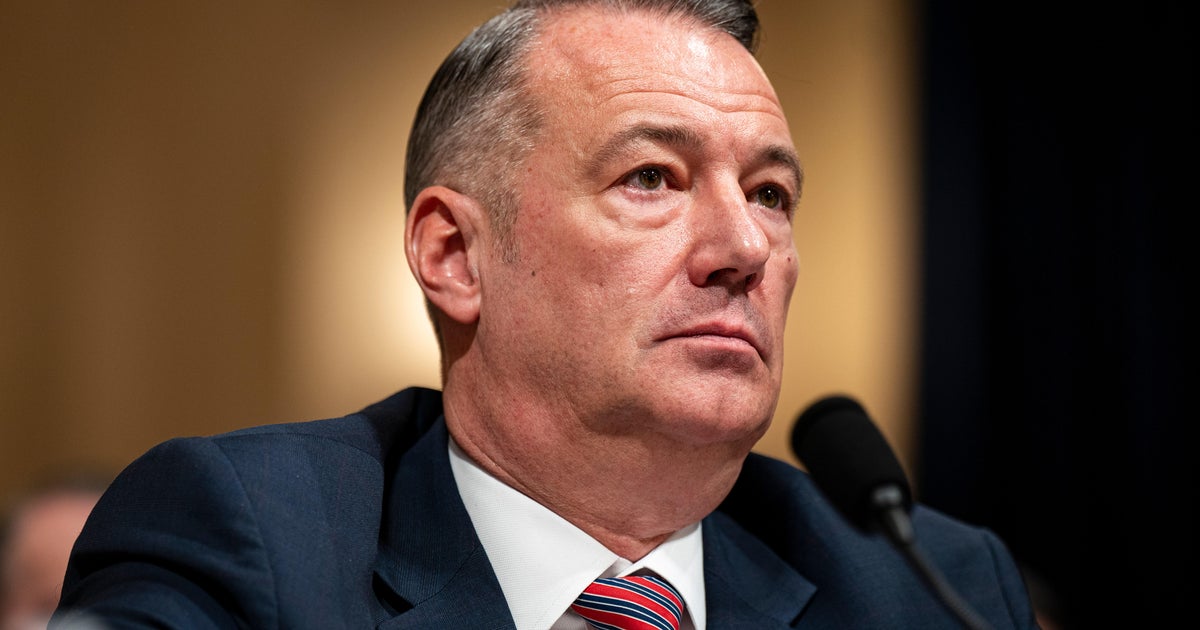
NBC10 brought the issue to SEPTA’s General Manager, Scott Sauer.
“We certainly need funding, and we’ll need it from whatever sources that our elected leaders decide to tax on,” Sauer told NBC10 in an upcoming Battleground Politics episode. “I’ve not made it a habit to advise elected officials on how to tax or what to tax. We present what our needs are, and we leave it to them to decide what the best venue or the best mechanism.”
Meanwhile, as SEPTA leaders are preparing for public hearings for the 2027 Operating Budget, the agency’s future and funding are unknown.
“Without a long-term funding solution, SEPTA’s future remains uncertain,” according to a press release the transit agency released last week.
What's Your Reaction?
 Like
0
Like
0
 Dislike
0
Dislike
0
 Love
0
Love
0
 Funny
0
Funny
0
 Angry
0
Angry
0
 Sad
0
Sad
0
 Wow
0
Wow
0


