





































CeaseFire founder says anti-violence strategy he launched in Chicago can fight 'disease' of authoritarianism

Three decades ago, Dr. Gary Slutkin took on Chicago’s violence problem with a solution he called CeaseFire, which he said would inoculate the city from the “disease” of shootings as he did with public health emergencies like AIDS.
Now he’s applying the same thinking to an even broader problem: government authoritarianism.
Slutkin was scheduled to speak about his theory Monday night at the University of Chicago’s Harris School of Public Policy.
In an interview beforehand, the epidemiologist turned international violence prevention expert says his concept of authoritarian violence as a disease is a natural extension of his earlier CeaseFire work, which he and others credit with decreases in violence in Chicago and elsewhere.
Many other anti-violence groups in Chicago have been based on the CeaseFire model of having "interrupters" negotiating truces on the street.
According to Slutkin, crackdowns, political intimidation and dehumanizing rhetoric spread in waves, just like the epidemics of gun violence, AIDS and tuberculosis.
Slutkin presents his theory in his new book, "The end of violence: Eliminating the World’s Most Dangerous Epidemic."
He says authoritarian leaders are like “superspreaders” who use their power and platforms to “infect” their populations on a mass scale. State violence and imprisonment are symptoms of those diseased regimes, he says.
He says his book isn’t political in the sense that he’s not focusing on specific world leaders. He says he mentions President Donald Trump only once — in a section of the book about the Jan. 6, 2021, attack on the U.S. Capitol.
Still, many examples of the authoritarian violence Slutkin highlights have occurred during Trump’s most recent administration.
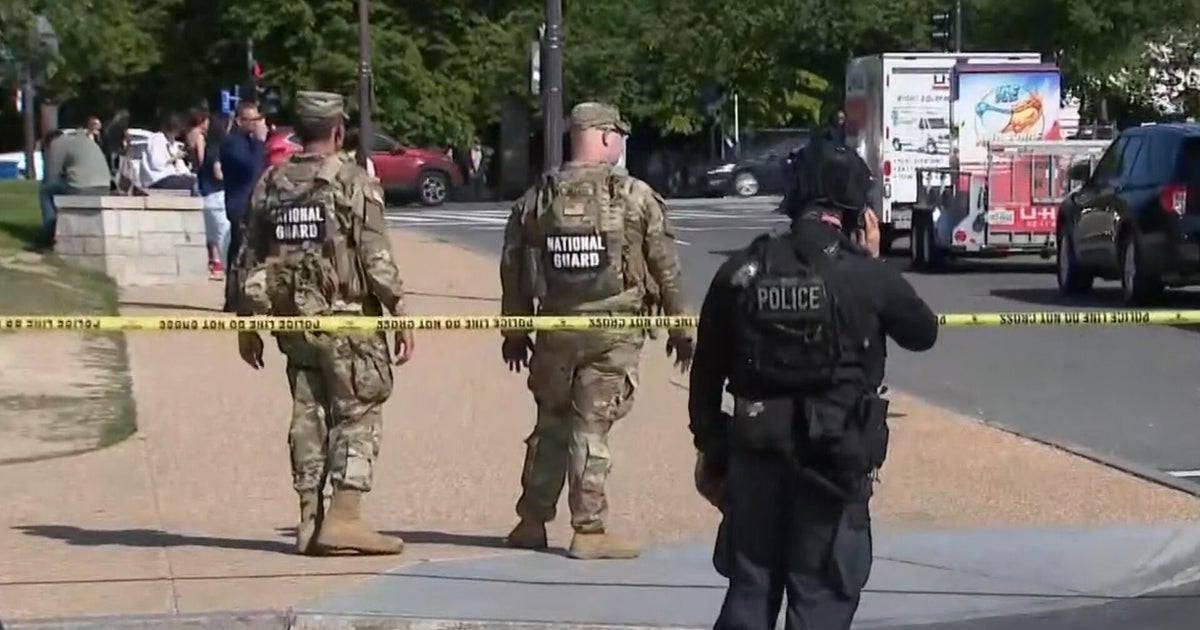
They include: Department of Homeland Security agents shooting and roughing up protesters and immigrants; U.S. military attacks on Venezuela, Iran and other countries; U.S. threats of taking over Greenland; and even cutbacks in U.S. food and health programs that he says will lead to a surge in deaths here and abroad.
“This was done in a very cruel way,” he says.
But he insists his focus isn’t on any one political figure.
“This isn’t about a person,” he says. “It’s about the disorder.”
Authoritarianism, he adds, is rising worldwide — not just in the United States, and in some places far more deeply entrenched.
In Chicago, long before formal “violence interrupter” programs took hold, communities relied on public education campaigns, neighborhood mobilization and social pressure to push back against violence.
During recent DHS immigration enforcement efforts, similar community responses surfaced in Chicago, Minnesota and other cities, where public backlash helped shape broader political reactions, including the Trump administration pulling back on its most aggressive immigration strategies, he says.
Change, he suggests, often starts at the ground level — with ordinary people questioning behavior, rejecting dehumanization and holding others accountable.
“It filters upward,” he says, describing how community pressure can influence institutions and even elected officials.
But sustaining that energy is difficult.
He points to “epidemic fatigue” — exhaustion that sets in when crises pile up, from economic uncertainty to immigration enforcement to the threat of war. The confusion, he says, can paralyze people.
The solution, in his view, is disciplined concentration on the problem: “Focus on the violence." That means educating the public, calling out harmful actions and challenging those who encourage or tolerate them. It also means rethinking protests not as attacks on individuals but as broader rejections of violent behavior itself.
Even those at the center of violence, he argues, often want to change. From gang leaders in U.S. cities to cartel figures in Latin America, many are trapped in what he calls a “stuck” system. Without alternatives, he says they remain locked in cycles of harm.
Authoritarian leaders may face a similar bind. With grim odds — exile, imprisonment or assassination — many act out of fear, he says, clinging to power as a means of survival.
“They need a way out,” Slutkin says — one that offers both safety and a path to save face.

What's Your Reaction?
 Like
0
Like
0
 Dislike
0
Dislike
0
 Love
0
Love
0
 Funny
0
Funny
0
 Angry
0
Angry
0
 Sad
0
Sad
0
 Wow
0
Wow
0


