

















Doc10 lost federal cash. The fest is still swinging big.

Chicago’s Doc10 film festival is best known for two things. It is one of the only documentary-exclusive film fests in the country, and the organizers have an uncanny knack for curating a menu of films that end up on annual shortlists for prestigious awards, including the Oscars.
Last year’s festival, which marked the group’s 10th anniversary, arrived at a precarious time in the documentary film industry. Political documentaries and more complex films have taken a backseat to celebrity-driven projects and true crime stories on major streaming platforms like Netflix. On the fundraising side, government grants for some projects landed in limbo after the Trump administration overhauled the National Endowment for the Arts and the National Endowment for the Humanities, leading to fewer filmmaker grants.

Now, a $1 billion in funding has been slashed from the Corporation for Public Broadcasting, which includes funds to PBS, destabilizing one of the primary platforms for airing political and educational documentaries. The barrage of cuts also impacted the Chicago Media Project (CMP), the group behind Doc10, which had its funding rescinded from the National Endowment of the Arts.
So heading into this year’s fest, which opens April 24, organizers faced a fresh urgency to program a festival that speaks to the current moment. They expanded programming to include “Speak Truth,” a series of film screenings and post-show discussions that feature films intended to provoke civic dialogue on urgent contemporary issues.
“We've always believed in the power of media to make change in the world,” said Paula Froehle, co-founder and CEO of the Chicago Media Project.
“The idea that came about last fall on the heels of the NEA rescinding funding, and us feeling somewhat targeted because of our DEI programming,” she said. One of the notable changes the Trump administration made to NEA funding was the refusal to pay for projects that promote what the administration describes as “DEI” or “gender ideology.”

Among the films the fest will screen in the “Speak Truth” series is director Steve Pink’s “The Last Republican,” which follows former Illinois Congressman Adam Kinzinger’s unwavering fight to hold President Donald Trump accountable for the January 6 insurrection. The screening on April 28 will include Kinzinger, via Zoom, and a panel discussion about fair elections and how everyday people can get involved in politics.
Chicago Media Project co-founder Steven Cohen said the idea this year is to flip the event from being just a film festival into also being an ideas festival. “Film is the galvanizing point and it's the reason people come together. But we go beyond there. We want Doc10 to not be the place where film is the end of the conversation, but the beginning of the conversation.”
Put simply, Cohen said, a running theme throughout this year's festival is “collective courage.”

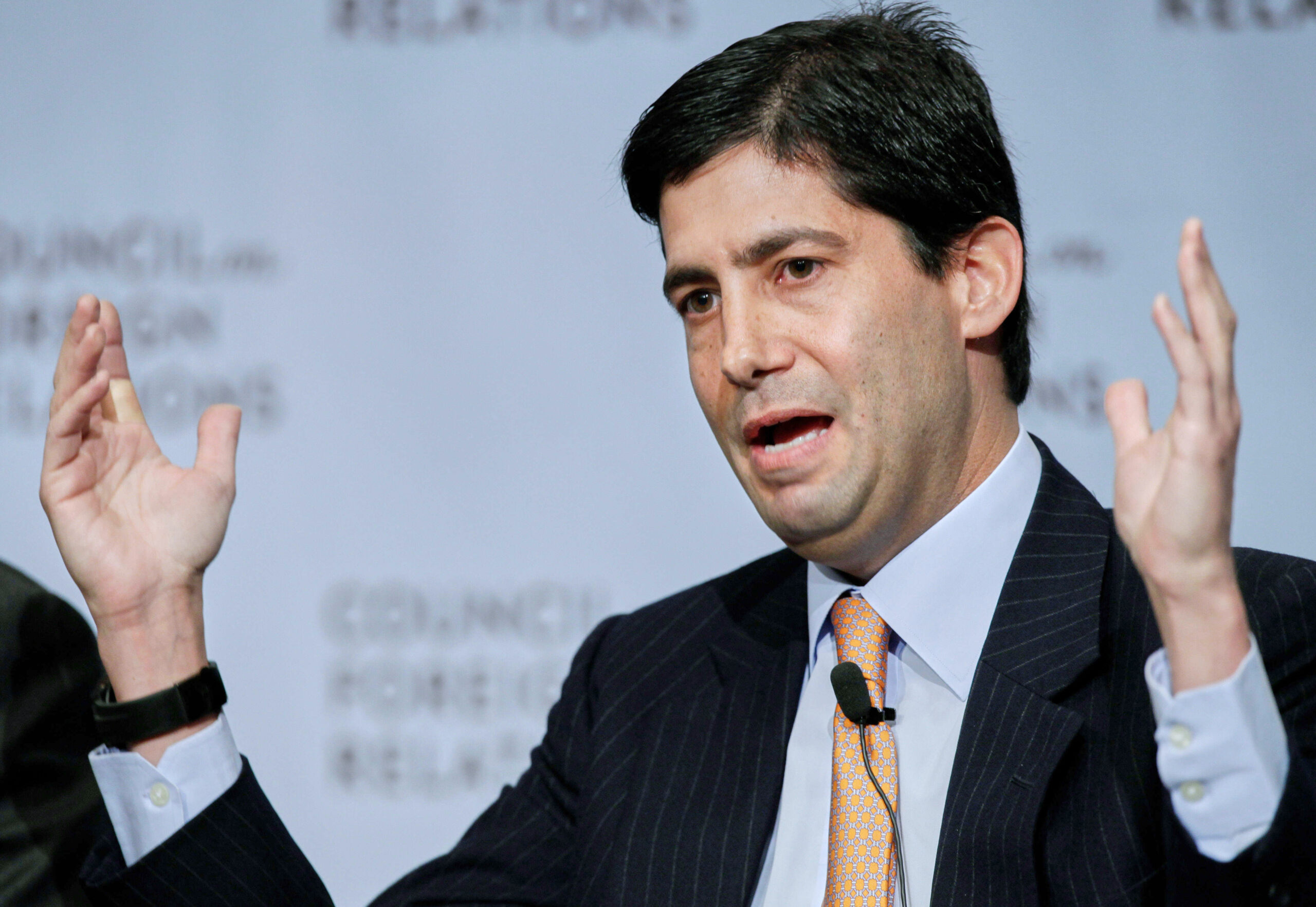
“Film is the galvanizing point and it’s the reason people come together. But we go beyond there. We want Doc10 to not be the place where film is the end of the conversation, but the beginning of the conversation,” Doc10 Co-founder Steve Cohen (right) said. Here, he stands with fellow Doc10 co-founder Paula Froehle in 2025.
Courtesy of Vee Sanders
The line up of “Speak Truth” films also includes a slate of shorts with strong local ties. “ICE Under Watch,” screening May 3, is a collection of films by Chicago-based filmmakers that discuss immigration with a specific focus on Operation “Midway Blitz,” the monthslong federal immigration enforcement action that unfolded across the Chicago area last fall.
One of the docs in this series, “El Sueño,” is unfinished, but will screen a 10-minute excerpt. The project started with filmmaker Carlos Javier Ortiz filming Venezuelan refugees that were sent to Chicago in 2022 by Texas Governor Greg Abbott. Then, when Trump was reelected, Ortiz documented the rapid changes in immigration policy, leading up to events of Operation Midway Blitz.
“I think for us, an important aspect of this film is that this is going to be Chicago’s historic memory,” said Alexandra Halkin, “El Sueño” producer. I think everybody that has been living in Chicago and dealing with the situation of [Immigration and Customs Enforcement] and border patrol, we all live through it one way or the other.”
Halkin said the four-year chunk of time the film covers starts with the arrival of busloads of Venezuelans sent from the border to Chicago in 2022 and ends with the 2026 midterm elections — a four-year chunk of “collective trauma.”
The ensuing discussion will focus on the power of media, collective organizing and solidarity in times of heightened enforcement and resistance.
This year’s official Doc10 selections serendipitously align with some of the themes from “Speak Truth,” even though senior programmer Anthony Kaufman said films are selected strictly based on merit. “It's finding the best films that we can, and then seeing what kind of themes emerge organically from the films themselves.”
Even so, the coveted 10 slots in the group of official selections contain films like “Everybody to Kenmure Street,” by award winning filmmaker Felipe Bustos Sierra. Set in the Scottish city of Glasgow, the documentary unfolds on a morning in May 2021, when immigration enforcement officers attempted to detain two community members.
The documentary uses reenactments and cell phone footage to depict the events of the day, during which what seemed like the entire community surrounded an immigration van and demanded the release of the detainees.
“Solidarity being worked out by people who didn't know each other — and you know, some were neighbors — but that, to me, was extraordinary,” said Sierra, the filmmaker, who screened his movie in Budapest days before Prime Minister Viktor Orbán was defeated. Of his time in Hungary, Sierra said, “I think the people getting to know about the protest itself, they keep saying, it’s healing and energizing.”

Typically, events like Doc10 would attempt to be as nonpartisan as possible. And while Cohen says the event itself doesn’t take a particular side, in the aftermath of losing government support, organizers now have more freedom to lean into opinions on fraught political topics.
“We’re obviously still nonpartisan, but that doesn't mean we can’t have a point of view,” said Cohen. “We're taking a point of view over things that shouldn't be controversial — like, we want free and fair elections. And democracy should be the winner in this next election.”
For the organizers, the strong stance is the result of feeling attacked.
“I just feel like when somebody threatens your livelihood, you gotta come back fighting bigger and stronger,” said Froehle. “There is power in numbers and people coming out. We have a great program that demonstrates how documentary filmmakers have the ability to spend more time with their subjects to get into the deeper, more intimate, emotional complexities of an experience.”
What's Your Reaction?
 Like
0
Like
0
 Dislike
0
Dislike
0
 Love
0
Love
0
 Funny
0
Funny
0
 Angry
0
Angry
0
 Sad
0
Sad
0
 Wow
0
Wow
0


